

01
No Heat? Clean Your Flame Sensor
02
The Story
The highlights from this video

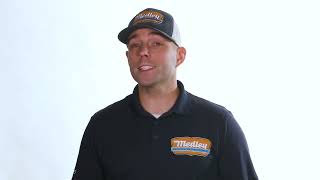
In the heart of winter, when temperatures drop and the chill seeps into every corner of your home, the last thing you want is a furnace that won't heat. This was the reality for a Dallas homeowner who found themselves shivering in their living room, desperately hoping their furnace would kick in. 'The furnace has already run through its sequence,' said Texas from Medley Heating and Air, 'but when that flame sensor is too dirty, it won't recognize that the flame is present, and it'll kick right back off.'
Upon inspection, it became clear that the issue was a grimy flame sensor. This small part, often overlooked, plays a critical role in the heating cycle. Located downstream from the burner, it ensures that the furnace can detect when the flames are ignited. If it can't do that, the result is a cold home and a hefty heating bill as the system struggles to operate efficiently.
Texas explained how to identify the flame sensor: 'If you're still unsure which one is which, go ahead and turn the furnace on, watch it run through a cycle, and the component that glows orange is going to be the igniter and not the flame sensor.' This simple test can save homeowners time and frustration, helping them pinpoint the problem without unnecessary guesswork.
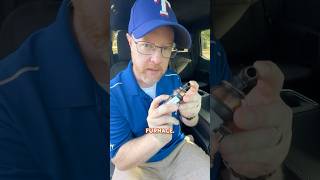
Once the sensor was located, the next step was cleaning. Texas shared his preferred method: 'My preferred method for cleaning the flame sensor is to take a dollar bill, kind of fold it up, and use this guy's shirt and all this rough area here to get in there and clean all that stuff off there.' This unconventional but effective technique avoids the damage that sandpaper could cause, ensuring the sensor remained intact while restoring its functionality.
After a thorough cleaning, the sensor was reinstalled, and it was time for the moment of truth. 'The last time the flames came on they would kick right back off after a couple of seconds. This time we expect to see them stay on,' Texas remarked with anticipation. And as the furnace roared back to life, warmth began to fill the house once more, transforming a frigid space into a cozy retreat.
For the homeowner, this DIY fix not only saved them from the discomfort of a cold winter night but also prevented potential costly repairs down the line. Ignoring a dirty flame sensor can lead to system failures and increased energy bills, making routine maintenance essential for every Dallas homeowner.
So remember, if your furnace isn’t heating properly, don’t panic. A clean flame sensor might be all you need to restore comfort to your home. For all your heating and air conditioning needs, call Medley Heating, Air Conditioning & Plumbing today!
Hey guys, my name is Texas with Medley Heating and Air and today we're going to teach you how to clean your flame sensor. Let's get to work. So the tools you're going to need to clean your flame sensor are something to remove the door on your furnace, either a 5 16ths or a quarter inch nut driver, something to remove the flame sensor, either a stubby nut driver or a flathead screwdriver, and something to clean the flame sensor like a dollar bill. Go ahead and start by removing the door and we'll go ahead and show you what the furnace does when the flame sensor does need to be cleaned. So what you're going to see happen here is the furnace has already ran through its sequence. It's at the part of the cycle where it's trying to ignite the flames. When that flame sensor is too dirty, it won't recognize that the flame is present and it'll kick right back off. So the first thing that you're going to want to do is turn the power off to the furnace. In this closet here, we're just going to unplug the furnace right there. If you're in an attic, you may have a plug or you may have a light switch kind of like this that you're going to turn off. If you look in here, you've got two burners. Your furnace may have three, four, even five, but the flame sensor is always going to be located downstream from the burner, right in line with where you'll see the flame from the burners. There's two components that you'll see when you look back in there. One of those is the igniter and the other is the flame sensor. The flame sensor is going to be the one that looks like a steel rod. If you're still unsure which one is which, go ahead and turn the furnace on, watch it run through a cycle, and the component that glows orange is going to be the igniter and not the flame sensor. Once we've located the flame sensor, you're going to follow it right to the top side of that. You're going to go ahead and take that wire off. They almost always have just one wire going to them. Now we've got to remove this screw. This is where your little stubby nut driver or your screwdriver comes in handy. Set your screw to the side and go ahead and pull out that flame sensor. You can see we've got all this build up on here and that's why this furnace isn't sensing that flame even though it's there. So my preferred method for cleaning the flame sensor is to take a dollar bill, kind of fold it up, and use this guy's shirt and all this rough area here to get in there and clean all that stuff off there. Some people use sandpaper. It's probably fine, but it does score up the flame sensor, but a dollar works pretty well. Just going to keep on going back and forth on it using that part right there. And that one is pretty clean now. Put it right back in its little slot there. Take your screw right back where you found it and put that one wire right back on. We're going to go ahead and plug this right back in. Go over to our thermostat and turn it on. The last time the flames came on they would kick right back off after a couple of seconds. This time we expect to see them stay on. The blower is going to turn on and this sucker is going to start heating up the house. Now the only thing left is to put the door back on. And there you go. You just saved the day. I hope this was helpful. Thank you for watching and for all of your heating and air conditioning needs, call Medli.


Need Heating, Cooling or Plumbing Help?
Our certified technicians are ready to solve your HVAC and plumbing challenges with the same care and expertise you see in every video.
Schedule Your Service Today